



How to Plan a Kitchen and Toilet Renovation in Singapore Without Wasting Space
Kitchen and toilet renovations are two of the most important upgrades in any home. They affect how the home functions every day, and in Singapore, where many HDB flats, condos, and apartments have compact layouts, good planning matters even more.
A well-designed kitchen should support daily cooking, storage, and movement without feeling cramped. A well-planned toilet should feel comfortable, easy to maintain, and practical to use, even when space is limited. The challenge is that both spaces need to do a lot within a relatively small footprint.
That is why renovation planning should begin long before tiles, fittings, or color schemes are chosen. The best results come from understanding how the space will be used, where common layout mistakes happen, and which design choices will improve function over time.
If you are still comparing options, it also helps to understand what to look for in a kitchen toilet renovation package before making decisions.
Why Kitchen and Toilet Renovations Need More Planning in Singapore Homes
The kitchen and toilet are often the most space-efficient elements of a Singapore home. These spaces are utilitarian, but they also need to be comfortable, functional, and aesthetically light.
An error in a bedroom or living room might be forgivable. In a kitchen or bath, it is noticeable quicker. A narrow corridor, inefficient storage, ventilation, or fittings can impact how you use the room, and it can become irritating.
So, planning your renovation is not all about appearance. It must be made more functional but with consideration for comfort, spaciousness, and ease of cleaning.
Start With the Layout, Not the Finishes
An all-too-common mistake in home improvement is getting fixated on materials and appearances too soon. People tend to focus on tile samples, countertop shades, or fittings in a bathroom before considering the layout.
Instead, it should be the other way around.
For the kitchen, consider how you work in the space. Where do you prepare food, wash, cook and store things? Do you have adequate counter space? Can you open cabinet doors and drawers without getting in the way?
In the toilet, consider how wet zones are separated from dry, how much space there is around the vanity and shower, and how the accessories are placed so they’re convenient for use.
With the right layout, finishes are easier to select because they complement the design rather than trying to offset it.
Focus on Daily Use, Not Just the Showroom Look
People can fall in love with a kitchen or toilet in a showroom but find themselves frustrated once it’s in their home. This is often the case when a design choice is made purely for aesthetic reasons.
Functional design must take the family’s lifestyle into account. For instance, a person who likes to cook may require more preparation space, more storage space for pantry items, and quick access to commonly used appliances. If the homeowner is a minimalist, they may want surfaces that are easy to clean with fittings that don’t show water marks.
It’s the same for the toilet. If it is a shared bathroom, vanity size, mirrors, and storage should be considered. If there are ageing relatives living in the house, slippery surfaces and accessibility should be thought about sooner rather than later.
The key to successful renovation planning is not to include as many features as you can. It’s about the features that work in practice.
Plan Storage Early So the Space Stays Clear
Storage has a huge impact on how spacious a kitchen or toilet feels. Without enough of it, countertops get crowded, toiletries pile up, and the room starts to feel messy, no matter how nice the finishes are.
In the kitchen, think about storage based on usage. Every day cookware, dishes, seasonings, and appliances should be easy to reach. Less frequently used items can be stored higher or deeper. Full-height cabinets, corner solutions, and integrated storage can all help, but only if they are planned around actual needs.
In the toilet, storage should be discreet and practical. Vanity drawers, mirror cabinets, recessed niches, and closed shelving can help keep products out of sight while still being easy to access.
The goal is not to add storage everywhere. It is to place it where it reduces clutter and supports a cleaner, more open feel.
Make Small Kitchens Work Harder With Better Zoning
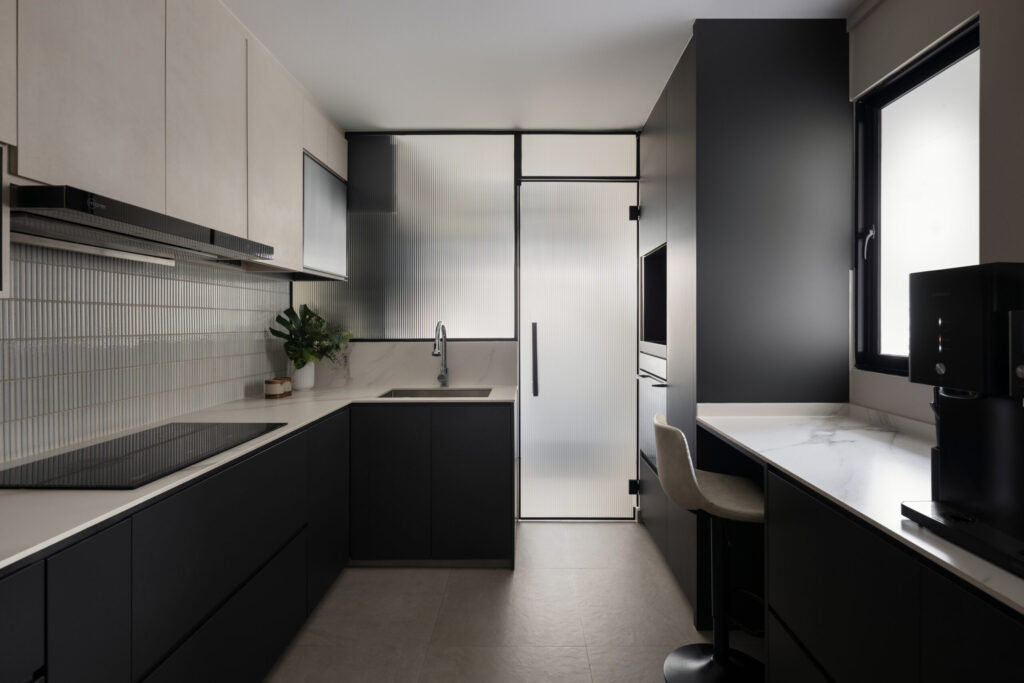
In compact Singapore homes, kitchen space is often limited, which means each zone needs to work efficiently. Even a small kitchen can feel more usable when it is divided thoughtfully into activity areas.
Try to think in terms of zones:
- prep zone
- cooking zone
- washing zone
- storage zone
These do not need to be large, but they should be clearly supported. For example, placing the bin, sink, and prep area too far apart can make simple cooking tasks less efficient. A kitchen with beautiful finishes but poor zoning will not feel enjoyable to use.
When space is tight, it also helps to reduce unnecessary movement. Keeping essential tasks close together can make the kitchen feel much more intuitive.
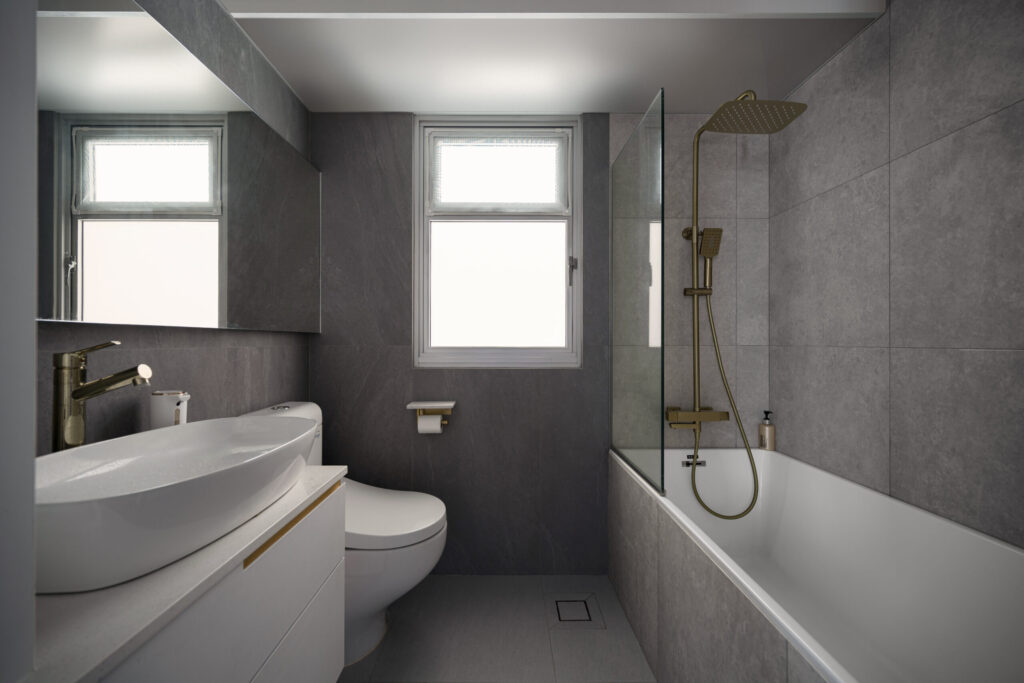
Separate Wet and Dry Areas in the Toilet Where Possible
A common issue in small bathrooms is that everything gets wet too easily. Without proper planning, the toilet can feel harder to clean, less comfortable to use, and more cramped overall.
Separating wet and dry zones helps improve daily usability. This can be done with a shower screen, subtle floor gradients, fitting placement, or a better vanity position. Even in smaller toilets, small layout adjustments can make the room feel more organised.
A clearer wet and dry division also helps with maintenance. Towels, toiletries, and bathroom accessories stay drier, and the space often feels neater throughout the day.
Choose Materials That Are Easy to Maintain
A renovation should still feel good months and years after it is completed. That is why material selection should go beyond visual appeal.
It’s a smart move to focus on longevity. There is nothing worse than a “dream kitchen” that turns into a maintenance nightmare three months later.
Kitchen Essentials
- The kitchen is a high-traffic work zone. When selecting materials, consider:
- Countertop Durability: Prioritize surfaces that resist heat, scratches, and acidic stains.
- Backsplash Maintenance: Opt for easy-to-wipe materials that can handle grease and splashes without staining.
- Cabinet Finishes: Choose finishes that minimize the visibility of fingerprints and water spots.
- Finish Functionality: While matte and textured looks are on-trend, ensure they are non-porous and scrub-friendly for heavy-use areas.
Bathroom & Toilet Considerations
High moisture levels make maintenance the top priority in these spaces:
- Moisture Resistance: Ensure all materials—from vanities to wall finishes—are rated for high-humidity environments.
- Grout & Tile Strategy: Select grout colors and tile textures that hide mineral buildup and are easy to deep-clean.
- Hardware Longevity: Choose bathroom accessories with finishes that won’t easily corrode or show constant water spots.
It is usually better to choose materials that balance aesthetics with practicality rather than chasing trends that may not age well.
Keep Walkways Comfortable and Uncluttered
In small kitchens and bathrooms, circulation is often overlooked. But even the best materials and storage solutions will not make up for a layout that feels too tight to move through.
In the kitchen, check that cabinet doors, appliance doors, and drawers can open comfortably without blocking movement. Make sure there is enough standing space in front of key work areas. In galley kitchens, especially, walkway width can affect how spacious the entire area feels.
In the toilet, clearance around the vanity, toilet bowl, and shower matters just as much. A compact bathroom can still feel comfortable if the spacing is well considered.
This is one of the clearest examples of why planning first matters. Even a few centimeters can make a noticeable difference in daily use.
Avoid Overdesigning Small Functional Spaces
Because kitchens and bathrooms are high-value renovation zones, it can be tempting to add too many features. Statement tiles, multiple materials, decorative shelving, oversized mirrors, accent lighting, and trendy fittings can all look appealing individually, but together they can crowd a small space.
In compact homes, restraint usually creates better results.
A more cohesive material palette, cleaner cabinetry lines, and simpler detailing often make the space feel larger and more refined. Visual calm is especially important in kitchens and toilets because these are rooms where clutter builds up easily.
Well-designed does not have to mean visually busy. In many cases, simplicity improves both the look and the function of the renovation.
Think Beyond the Package and Ask the Right Questions
Many homeowners begin by comparing price points, especially when looking at a kitchen toilet renovation package. While that is understandable, package pricing alone does not tell you whether the renovation will actually suit your home.
It is more useful to ask:
- What is included and what is not
- How flexible is the layout planning
- Are material options practical for my household
- How is storage being approached
- Will the proposed design improve daily use
- Is the scope suitable for the size and condition of my home
A renovation package should not just bundle items together. It should support a better outcome for the space overall.
Common Mistakes to Avoid When Planning a Kitchen and Toilet Renovation
Starting with tiles and finishes too early
It is easier to get distracted by visual references, but layout and usability should always come first.
Adding more storage without a clear plan: Too much cabinetry can make the space feel heavy. Storage should solve real needs, not just fill walls.
Ignoring movement and clearance: Tight walkways and awkward spacing can affect comfort every day.
Choosing high-maintenance materials: Some finishes look attractive at first but may be harder to clean or maintain over time.
Treating the kitchen and toilet as separate design decisions: Even when they are different spaces, they should still feel aligned with the home and with the way you live.
Final Thoughts
Planning a kitchen and toilet renovation in Singapore is not just about updating finishes. It is about making two of the hardest-working spaces in the home function better without wasting valuable room.
When the layout is carefully thought through, storage is planned around real use, and materials are chosen with maintenance in mind, even compact kitchens and toilets can feel efficient, comfortable, and refined.
The best renovations are the ones that continue to work well long after the handover. That starts with planning the space properly from the beginning.
If you are exploring renovation options, our guide to choosing the right kitchen toilet renovation package is a good next step.
Frequently Asked Questions About Kitchen and Toilet Renovations
How do I plan a small kitchen renovation in Singapore?
Start with the layout and how you use the kitchen every day. Focus on prep space, storage, circulation, and easy-to-maintain materials before choosing finishes or decorative details.
What should I consider before renovating a toilet in Singapore?
Think about wet and dry area separation, storage, fitting placement, ventilation, and slip-resistant materials. These details have a big impact on comfort and maintenance.
Is a kitchen toilet renovation package worth considering?
It can be, as long as the package fits your home and your needs. Look beyond price and check whether the inclusions, layout planning, materials, and storage solutions are actually suitable for your space.
How can I make a small kitchen and toilet feel more spacious?
Use a clear layout, keep surfaces uncluttered, choose lighter and more consistent finishes, and avoid adding too many visual elements. Good storage also helps reduce crowding.
What is the biggest mistake in kitchen and toilet renovation planning?
One of the biggest mistakes is focusing on looks before function. A renovation may look attractive at first, but if the layout and usability are poor, daily use becomes frustrating.