


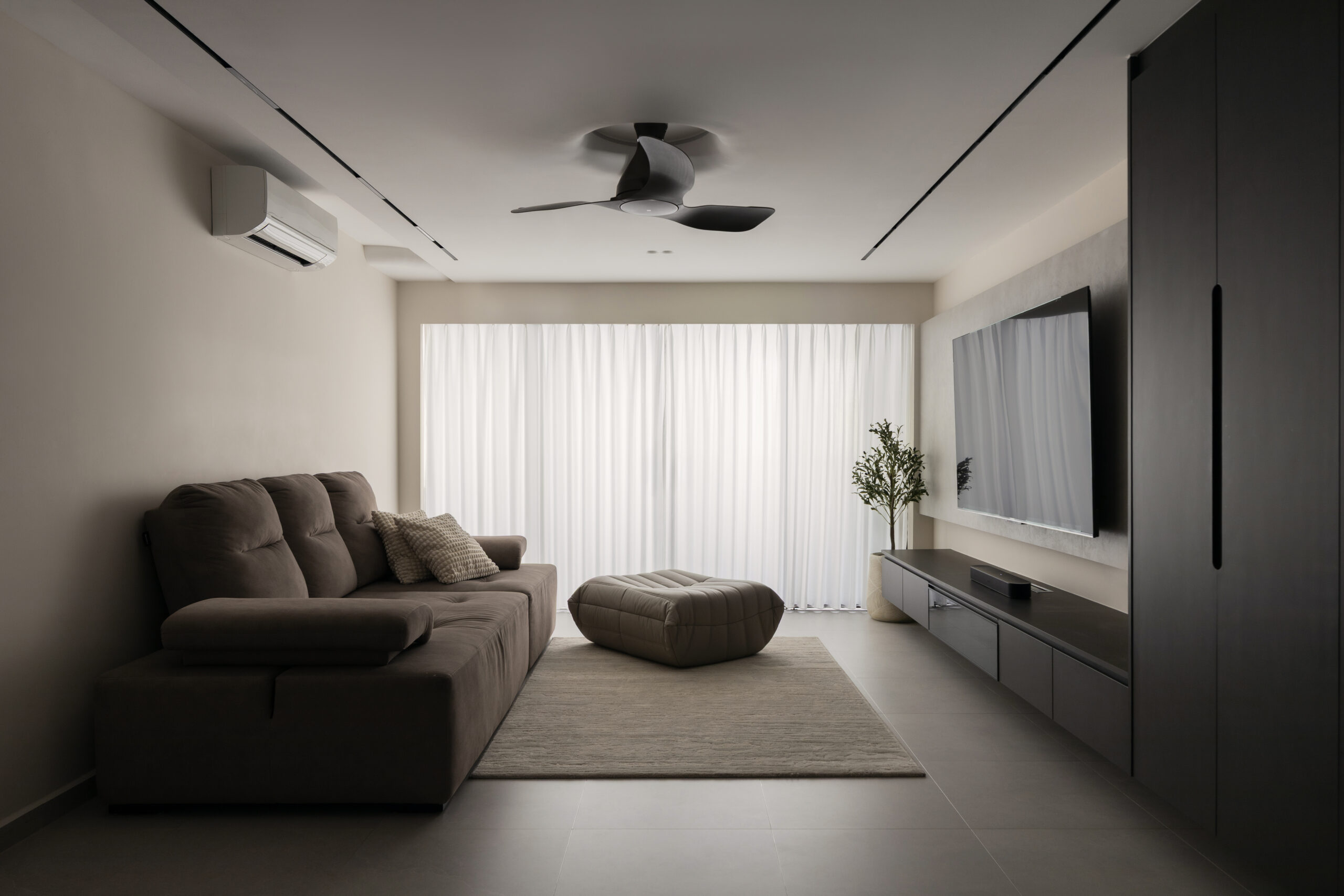
10 Japandi Design Ideas for Small Apartments in Singapore
One of the most sought-after home styles for homeowners who want it to feel quiet, functional, and enduring is Japandi. In Singapore, this is even more attractive for compact apartments. Living in a small space in a fast-paced city means that many homeowners want a design that prevents a small space from feeling cramped, but also doesn’t crowd the space.
Japandi is a combination of Japanese minimalism and Scandinavian warmth. The outcome is a peaceful, practical, and warm space. It is characterised by its simplicity, use of natural materials, muted tones, and furniture that is comfortable and functional.
This design style is particularly suited to smaller apartments because it is simple, not cluttered, and makes the most of spaces. If you are looking for some inspiration to help you create a more peaceful and well-organised apartment, try these Japandi tips.
If you want a broader look at the style itself, you can also explore our guide to Japandi interior design in Singapore.
1. Start With a Soft, Neutral Color Palette
The best way to incorporate the Japandi style in a small apartment is to start with neutral tones. Light whites, cream, beige, taupe, gray, and light woods make the home feel larger and lighter.
High contrast or a lot of different colors can create a feeling of clutter in small apartments. Neutral tones tend to draw the eye through a space more seamlessly, making it seem more relaxed.
This doesn’t mean everything has to be boring or dull. The idea is to create a subtle backdrop where texture, light, and materials can shine.
2. Choose Furniture With Clean Lines and Simple Shapes
Japandi furniture is often simple, functional and subtle. That’s important for a compact space. Your room could easily feel overcrowded with bulky furniture, wide arms, excessive details, or decorative shapes.
Instead, opt for furniture with slender legs, rounded edges, and simple shapes. A slender sofa, a plain wooden table, or a low-slung bed with minimal adornments can all help to open up the space.
The trick is to select useful items. Each should be functional without taking over.
3. Use Light Wood Finishes to Add Warmth
A common mistake in minimalist interiors is relying too heavily on white, gray, and black. While that can look clean, it can also feel too stark in a lived-in home. Japandi solves that by bringing in natural wood tones to soften the overall look.
Light wood finishes such as oak, ash, or maple work especially well in small Singapore apartments. They add warmth without feeling heavy, and they pair beautifully with neutral walls and soft fabrics.
You can introduce wood through flooring, dining furniture, side tables, shelving, or even small styling elements. When used consistently, it helps tie the home together and gives the space a more grounded, welcoming feel.
4. Keep the Living Room Low-Profile and Uncluttered
Living rooms are often the quickest to accumulate visual clutter in many apartments. Excessive decorations, oversized furniture, or an unbalanced layout can make a home appear cluttered.
The best Japandi living room is an open, airy space. Opt for a sofa that isn’t too bulky, have a simple coffee table, and leave some space empty. Embrace negative space.
Less is better: fewer items will help balance the design. This is particularly so in compact dwellings where the living room and dining room are combined.
5. Add Texture Instead of Adding More Color
When working with a restrained color palette, texture becomes one of the most important design tools. Without it, the home can feel unfinished or overly plain. With it, the space feels layered, warm, and comfortable.
Linen curtains, cotton cushions, woven rugs, ceramic accessories, and textured bedding all help add depth without disturbing the calm feel of the home. This is one of the reasons Japandi works so well. It stays minimal, but it never has to feel cold.
In a small apartment, this approach also keeps the space visually quiet. Instead of relying on bold colors or busy patterns, you create interest through materials and surfaces.
6. Prioritize Hidden Storage to Reduce Visual Clutter
There will always be a need for storage in small apartments, but in Japandi, we want it to be hidden. Too many items on open bookshelves can detract from the style. Clutter-free surfaces and hidden storage are preferable.
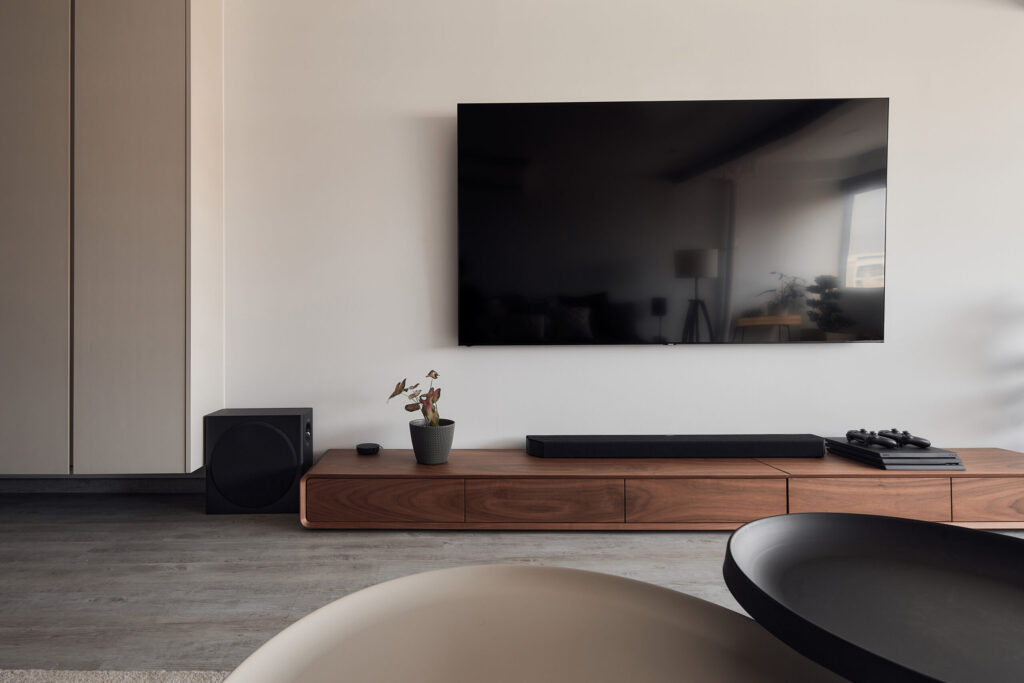
Opt for built-in shelves, storage benches, beds with hidden storage, or TV consoles with concealed storage options. Even little things like baskets in matching colours or cleverly hidden kitchen storage help keep things looking neat and tidy.
The Japandi style should be functional, not just decorative. Good storage is a big part of that.
7. Keep the Kitchen Clean, Simple, and Practical
The kitchen often has a big impact on how tidy the entire home feels, especially in apartments with open layouts. A Japandi kitchen focuses on simplicity, usability, and visual calm.
Flat-panel cabinetry, light wood finishes, matte surfaces, and uncluttered countertops all help create that effect. If your kitchen is compact, keeping the material palette consistent will also make the space feel more seamless.
Try to avoid overstyling. A few functional pieces, such as ceramic jars, wooden trays, or neutral tableware, will usually feel more in line with the style than excessive display items.
If you are also planning a renovation, it helps to think beyond aesthetics and focus on how each part of the kitchen supports daily use.
8. Style the Bedroom With Soft Layers and Minimal Decor
A bedroom is a great place to practise Japandi principles because the style lends itself to quiet and relaxation. Japandi bedrooms should be calm, comfortable, and clutter-free.
Begin with a minimal bed frame, preferably made with wood or a neutral-coloured upholstered bed. Use gentle bedding in neutral colours, employ warm lighting rather than white light, and keep the ornaments few.
It’s not about making the room bare. It is about making everything count. One bedside table, a single piece of art, and a ceramic lamp can work when there is a balance of elements.
9. Let Natural Light Be Part of the Design
Natural light plays a major role in Japandi interiors. It softens the palette, highlights natural textures, and helps the home feel more relaxed. In a small apartment, it can also make the entire space feel bigger and less boxed in.
Keep window areas as open as possible. Sheer curtains, light fabrics, and uncluttered ledges will allow more daylight to flow through the space. Reflective surfaces should be used carefully, but lighter finishes can also help bounce light around the room.
When natural light is limited, focus on warm ambient lighting instead. The goal is to create a gentle atmosphere that supports the calm, understated feel of the home.
10. Focus on Everyday Function, Not Just the Look
One of the most important Japandi ideas is also the simplest: the home should work well for real life. A space can look beautiful in photos but still feel frustrating to live in if it ignores daily routines, storage needs, or comfort.
That is why Japandi tends to resonate with so many apartment owners in Singapore. It is not just about minimal styling. It is about creating a home that feels easier to maintain, easier to move through, and more pleasant to come back to every day.
Before adding anything to the space, ask whether it has a clear purpose. If it improves comfort, supports function, or adds meaningful warmth, it probably belongs. If not, the home may feel better without it.
Common Mistakes to Avoid When Trying Japandi at Home
Even though Japandi looks simple, it is easy to miss the balance that makes it work. Here are a few common mistakes to watch out for:
Making the space too empty: Minimal does not mean bare. Without warmth, softness, or texture, the home can feel unfinished.
Using too much gray: Gray can be part of the palette, but too much of it can make the apartment feel cold. Warmer neutrals usually work better.
Choosing style over practicality: A beautiful home still needs proper storage, comfortable seating, and a layout that fits real daily life.
Mixing too many decorative trends: Japandi works best when the visual direction is clear. Too many unrelated decor pieces can weaken the calm look.
Final Thoughts
Japandi is more than a design trend. For small apartments in Singapore, it is a practical and thoughtful way to create a home that feels calm, warm, and functional. By focusing on soft colors, natural materials, clean-lined furniture, and everyday usability, you can make even a compact apartment feel more spacious and more intentional.
The best results come from finding the right balance between simplicity and comfort. A home should not just look neat. It should feel easy to live in.
If you are still exploring how the style works more broadly, read our full guide to Japandi interior design Singapore for more inspiration and design insight.
Frequently Asked Questions About Japandi Interior Designs
Is Japandi suitable for small apartments in Singapore?
Yes, Japandi is especially suitable for small apartments because it focuses on clean layouts, functional furniture, and a calm visual style. These elements help compact homes feel more open, organised, and comfortable.
What colors work best for a Japandi apartment?
Soft neutrals such as warm white, beige, taupe, muted gray, and light wood tones work best. These colors create a peaceful base and help smaller spaces feel brighter and more spacious.
How do I make Japandi style feel warm instead of plain?
Use natural materials and layered textures. Linen, cotton, wood, ceramic, and soft lighting can make the home feel more inviting while still keeping the overall look minimal.
Can Japandi work in condos and HDB flats too?
Yes, Japandi works well in condos, HDB flats, and other compact homes. Its focus on space efficiency and simple, practical design makes it highly adaptable to different layouts in Singapore.
What is the difference between Japandi and Muji style?
Japandi blends Japanese minimalism with Scandinavian warmth, while Muji style is more purely Japanese and more restrained. Japandi often feels slightly softer and more layered in terms of texture and overall mood.


